Myanmar remittances exceed $5.6 billion; Thailand employs 6,800 refugees; Suu Kyi appears in rare photos
This edition tracks how Myanmar’s crisis is shaping money transfers, refugee livelihoods and international diplomacy. Thailand is opening limited economic options for camp residents, while Bangladesh and the OIC are pressing for legal and political action on the Rohingya crisis; meanwhile, rare images of Aung San Suu Kyi provide a tightly controlled glimpse of Myanmar’s detained former leader.
Tracking: NUG · Rohingya · Myanmar
Geography: Myanmar, Rakhine State, Bangladesh
Remittances Become Myanmar Junta’s Largest Foreign-Currency Source
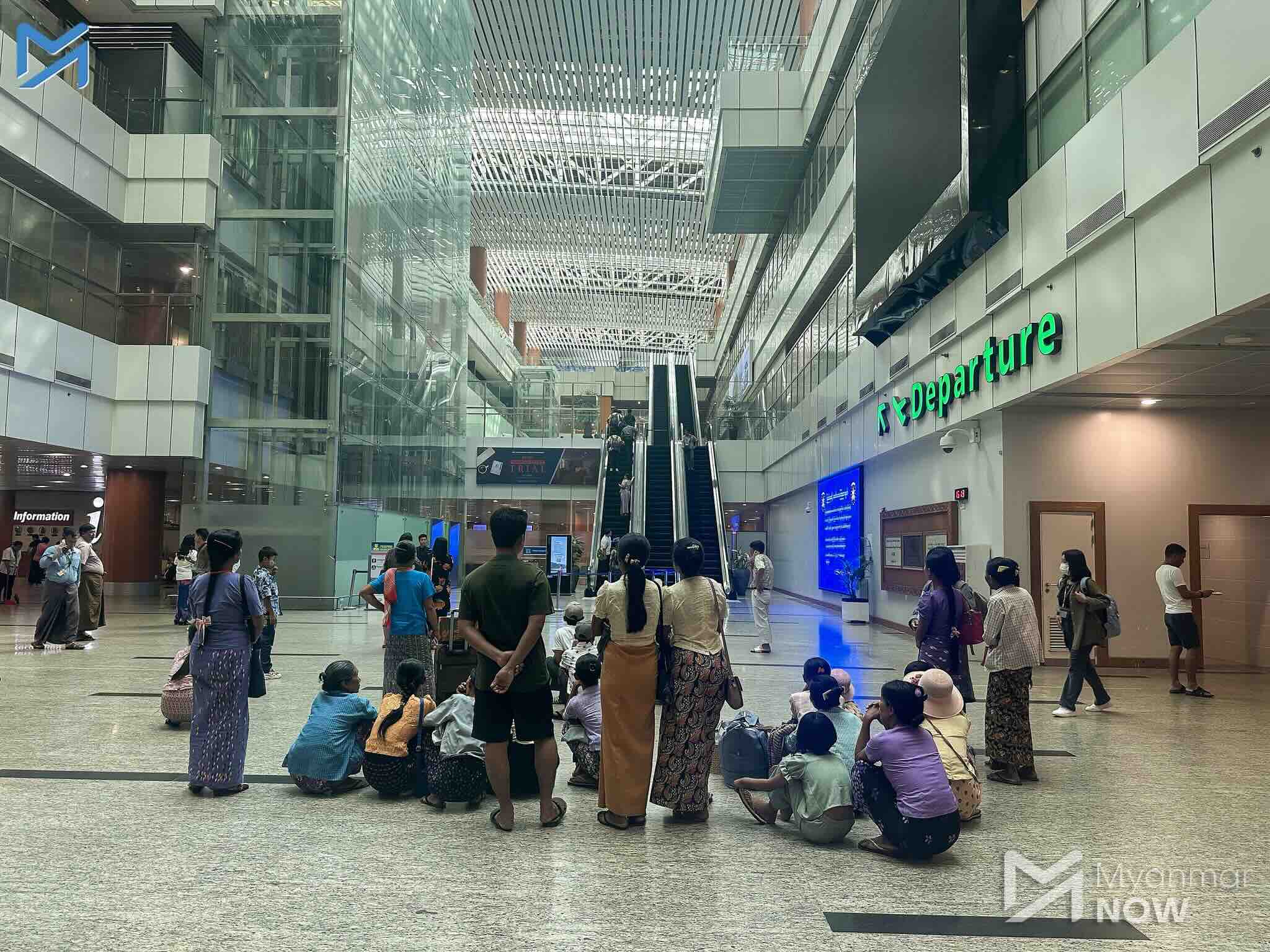
Remittances sent by Myanmar migrant workers to families exceeded US$5.6 billion in 2025, according to regime data, Myanmar Now reported on October 19, 2026. The report identifies those transfers as the junta’s largest foreign-currency source.
The figure places money sent home by overseas workers at the center of Myanmar’s financial picture.
It also creates a policy dilemma for governments and financial intermediaries: measures intended to restrict the junta’s access to foreign currency could disrupt transfers that families rely on, while continued flows may give the authorities greater financial room.
The report does not establish whether the junta directly controls all remittance channels, making regulation and oversight of those channels important developments to watch.
Key facts:
Why it matters: The reported scale makes remittances a significant financial channel linked to Myanmar’s rulers, even though the article does not show how the junta accesses or uses the money.
That creates a tension for outside governments and financial intermediaries: restricting foreign-currency access could affect households receiving support from abroad, while leaving channels unchanged may preserve a major source of funds for the authorities.
The next development to watch is how Myanmar regulates remittance services and whether those rules change.
Thailand Reports 6,800 Myanmar Refugees Entered Its Labor Market
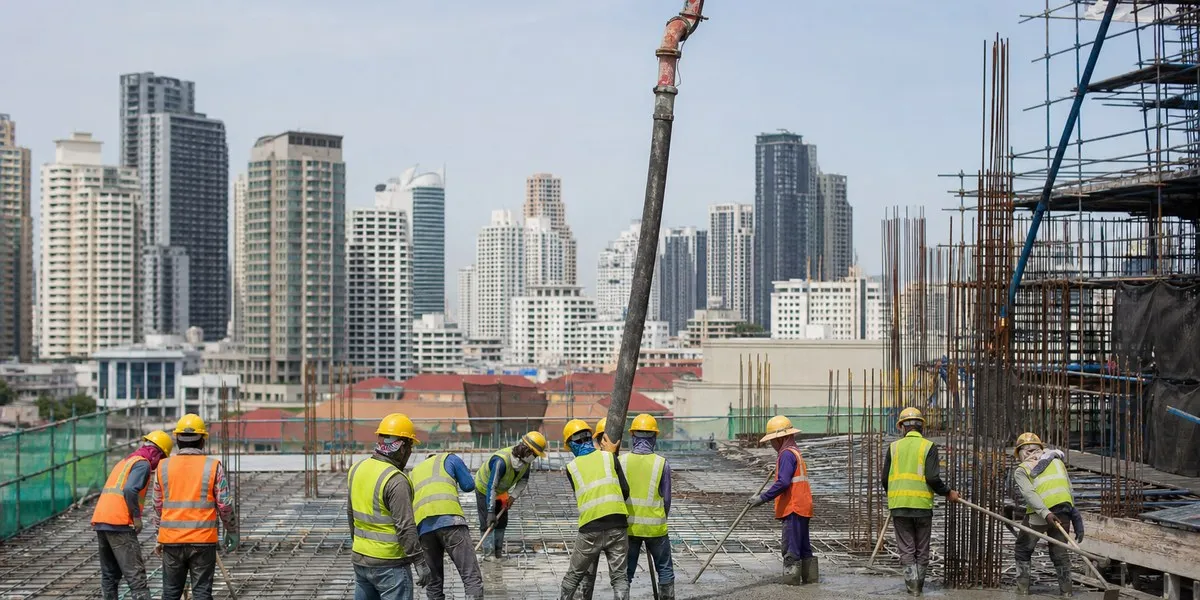
Thailand says 6,800 refugees from Myanmar entered its labor market during the first year of a program allowing camp residents to work outside border camps.
Authorities began issuing permits in October 2025, after international humanitarian aid was reduced and amid a labor shortage; more than 100,000 people remain in nine camps, some since the 1980s.
The program allows work in 43 provinces and most sectors, while improved vocational training is intended to prepare refugees for employment.
Rights and labor groups support the opening but report missing contracts, unexpected pay or workload changes, and deductions for medical checks, permits, and travel; one worker described a three-month job that paid less than promised and lacked basic living conditions.
Key facts:
Why it matters: Thailand’s policy creates a legal route out of camps and may help refugees replace reduced aid with wages; Ray Bo said earnings support food, essentials, and his parents’ medical care.
But access to jobs is not the same as secure employment: undocumented terms, deductions, and changed conditions can transfer costs to workers.
The next test is enforcement—written, translated contracts, vetted intermediaries, and a functioning complaints process—alongside monitoring whether promised pay and living conditions are delivered.
The program shifts the balance between camp assistance and labor-market access, but its benefits will depend on whether protections reach workers outside the camps.
Myanmar Government Releases Rare Images of Detained Suu Kyi
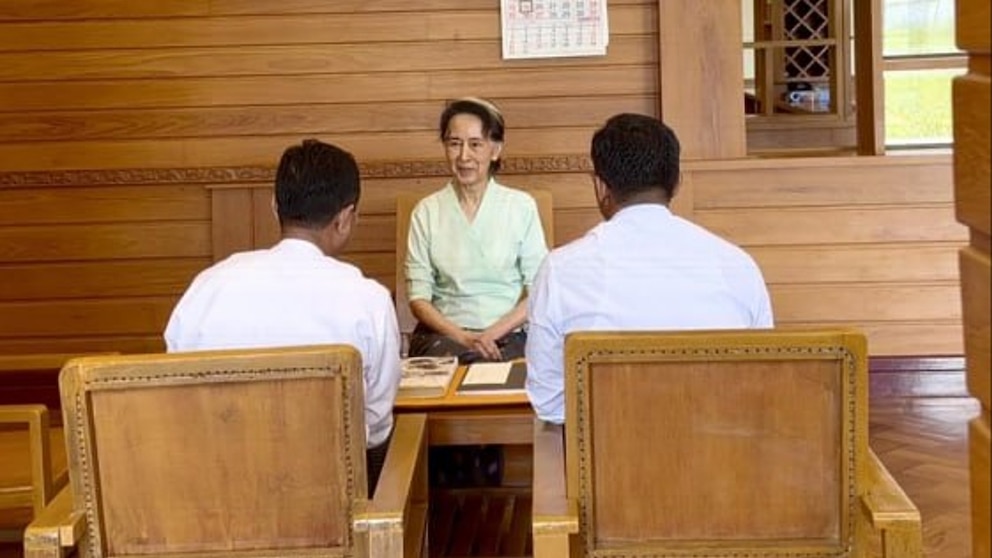
Myanmar’s military-backed government said it delivered two books from King Charles III, a sealed envelope and diplomatic correspondence to detained former leader Aung San Suu Kyi on October 19.
Officials also released two photographs showing the 81-year-old Suu Kyi meeting two Home Affairs officials in Naypyitaw, in a rare public update about her condition.
The 10-minute meeting comes as President Min Aung Hlaing seeks to reduce Myanmar’s international isolation after the military’s 2021 takeover and a 2025 election.
Suu Kyi remains under house arrest at an undisclosed location, while her supporters and rights groups call her convictions politically motivated.
An International Committee of the Red Cross representative visited her in August, but the government has rejected broader international calls for her release or access.
Key facts:
Why it matters: The announcement gives Myanmar’s authorities a tightly controlled way to show limited contact with Suu Kyi while projecting normalcy and renewed international engagement.
The photographs provide a rare indication that she is alive and receiving visitors, but they do not signal any change in her detention or legal status.
For governments and organizations seeking a political opening, the episode reinforces the gap between limited humanitarian contact and meaningful access.
The next significant indicators will be whether independent organizations receive further visits, whether authorities disclose more about Suu Kyi’s condition, and whether calls for her release produce any policy change.
Bangladesh Reframes Rohingya Policy as It Takes the Issue to the UN

Bangladesh has decided to refer to Rohingya people as “forcibly displaced Myanmar nationals” instead of “refugees,” Foreign Affairs Secretary M Shahidul Haque said at an October 18 opinion-sharing meeting in Dhaka.
He said the new wording will be raised at the United Nations, while acknowledging it could trigger controversy and insisting Bangladesh has “a very good explanation.
” The change follows three to four years of failed bilateral efforts to resolve the Rohingya issue, according to Haque. Bangladesh is now pursuing a multilateral approach while saying the terminology will not prevent it from meeting Rohingyas’ needs.
The country has sheltered more than 480,000 Rohingyas who fled persecution in Myanmar’s Rakhine State since August 25, while the UN has condemned the military campaign as ethnic cleansing.
Key facts:
Why it matters: The announcement changes Bangladesh’s diplomatic framing of the Rohingya crisis, emphasizing forced displacement from Myanmar rather than refugee status.
That could strengthen Dhaka’s effort to internationalize the issue, but it may also provoke controversy over terminology and political recognition. For Rohingyas, the immediate practical position is unchanged: Haque said the wording will not limit assistance.
The next test is whether Bangladesh’s multilateral push produces stronger international engagement after bilateral efforts stalled.
Bangladesh Urges Stronger Global Action on Rohingya Repatriation

Bangladesh Home Minister Salahuddin Ahmed urged stronger international engagement to resolve the Rohingya crisis and support the sustainable repatriation of displaced Myanmar nationals.
He made the appeal during a 19 October meeting in Dhaka with Julie Bishop, the United Nations secretary-general’s special envoy on Myanmar. The meeting covered Myanmar’s political and security situation, the Rohingya crisis, and possible repatriation.
Bangladesh and the UN side emphasized that returns should be safe, dignified, and voluntary, with political dialogue and cooperation creating the necessary conditions.
They also raised concerns about landmines along border areas, human trafficking, and drug smuggling. Bishop said she was continuing diplomatic engagement with relevant parties to help end the conflict and protect civilians.
Key facts:
Why it matters: The meeting puts Bangladesh’s prolonged hosting burden back on the international diplomatic agenda while tying repatriation to conditions inside Myanmar, rather than treating return as a standalone logistical exercise.
That reinforces the importance of political dialogue, civilian protection, and security along the border before any sustainable return process can advance.
For the Rohingya, the emphasis on voluntary and dignified return provides an important safeguard against pressure to move people into unsafe conditions.
The immediate outcome was diplomatic coordination, not a repatriation arrangement; the next test is whether international engagement produces conditions that refugees can accept and that Bangladesh can sustain.
OIC Reaffirms Support for Rohingya Genocide Case at ICJ
On October 18 in Baghdad, Organisation of Islamic Cooperation member states renewed support for the Rohingya genocide case against Myanmar at the International Court of Justice.
The pledge came during a ministerial ad-hoc committee meeting held alongside the OIC’s 52nd Council of Foreign Ministers session, with Bangladesh’s State Minister for Foreign Affairs Humayun Kabir co-chairing and urging collective action.
Bangladesh called for legal and humanitarian support, stronger diplomatic pressure on Myanmar, and implementation of its five-point plan for safe, dignified and voluntary Rohingya repatriation.
The case, filed by The Gambia in 2019 with OIC backing, alleges violations of the 1948 Genocide Convention; the ICJ issued provisional measures in January 2020.
OIC members said the proceedings could help deliver accountability and a sustainable resolution to the crisis, while Bangladesh continues hosting more than 1.2 million Rohingya refugees.
Key facts:
Why it matters: The renewed OIC commitment reinforces Bangladesh’s diplomatic position and keeps international legal accountability central to the Rohingya crisis, rather than treating it solely as a refugee-aid problem.
It also gives Bangladesh continued political backing as it presses for repatriation and support for the ICJ proceedings. The declaration does not itself secure a return pathway or change conditions in Myanmar.
The next indicators are whether OIC members provide concrete legal and financial support, sustain pressure on Myanmar, and translate calls for accountability into action.
Myanmar Government Reports Delivering King’s Books to Detained Aung San Suu Kyi
On October 19, Myanmar’s military-backed government said two Home Affairs Ministry officials delivered King Charles’s two environmental books to detained former leader Aung San Suu Kyi in Naypyitaw.
They also brought a sealed envelope and diplomatic correspondence; the reported meeting lasted about 10 minutes. The announcement included photographs but did not disclose the correspondence’s contents or what was discussed.
It offers a rare public update on Suu Kyi, who remains under house arrest at an undisclosed location while serving sentences her supporters and human-rights groups call politically motivated.
The episode comes as the government seeks to end international isolation and project a return to normalcy after its 2025 election and greater regional engagement.
Key facts:
Why it matters: The controlled delivery gives Min Aung Hlaing’s government a rare, highly managed way to show Suu Kyi remains alive while projecting limited engagement with the outside world.
It gives Suu Kyi access to personal material, but the announcement signals no change to her detention or a substantive political dialogue. International pressure remains unresolved.
ASEAN and other governments have called for Suu Kyi’s release and access, while Myanmar’s authorities have rejected those demands.
The next meaningful indicator will be whether authorities allow regular independent contact or alter her detention, rather than issue another tightly controlled update.