Min Aung Hlaing seeks Western engagement as HRW reports torture; Malaysia plans Rohingya returns
Myanmar’s military leadership is seeking diplomatic acceptance while Human Rights Watch documents torture and medical neglect in its prisons. Regional governments are weighing engagement and Rohingya returns against UNHCR safety warnings, civil-society opposition and unresolved accountability efforts; the key question is whether diplomacy will increase pressure on the junta or help legitimise its policies.
Friday, Sep 25, 2026
Tracking: NUG · Rohingya · Myanmar
Geography: Myanmar, Rakhine State, Bangladesh, Cox's Bazar
Myanmar’s Junta Chief Pitches Western Engagement as Civil War Continues

In his first Western media interview since the 2021 coup, Min Aung Hlaing presented himself as Myanmar’s president and argued for renewed international engagement.
He follows January elections widely condemned as fraudulent and has received official welcomes in nine countries, including Thailand and India, as well as Russia and China.
The outreach comes while his forces control less than half the country and the war has killed more than 100,000 and displaced 3.6 million, according to the article.
NUG acting President Duwa Lashi La says resistance forces are expanding territory and providing services, while Washington has signaled openness to working with all stakeholders and withdrawn sanctions on several junta allies; it also ended temporary protected status for nearly 4,000 refugees.
Key facts:
Min Aung Hlaing gave his first Western media interview since the 2021 coup.
January elections were widely condemned as fraudulent.
He has been welcomed on official visits to nine nations.
The conflict has killed more than 100,000 people and displaced 3.6 million.
Min Aung Hlaing controls less than half of Myanmar’s landmass.
Why it matters: Min Aung Hlaing is seeking international acceptance while retaining military rule and facing accusations of genocide, war crimes, and ethnic cleansing.
Engagement by Thailand, India, and other governments may improve his diplomatic room for maneuver, even as the NUG presents itself as an alternative authority providing services and expanding territory.
The policy shift also creates pressure on Western governments to balance accountability against practical concerns, including mass displacement, narcotics trafficking, and scam networks.
Sanctions relief for junta allies and the end of protected status for nearly 4,000 refugees suggest that humanitarian and political protections may become less durable as outside powers pursue transactional engagement.
HRW Reports Torture and Medical Neglect of Myanmar Women Political Prisoners
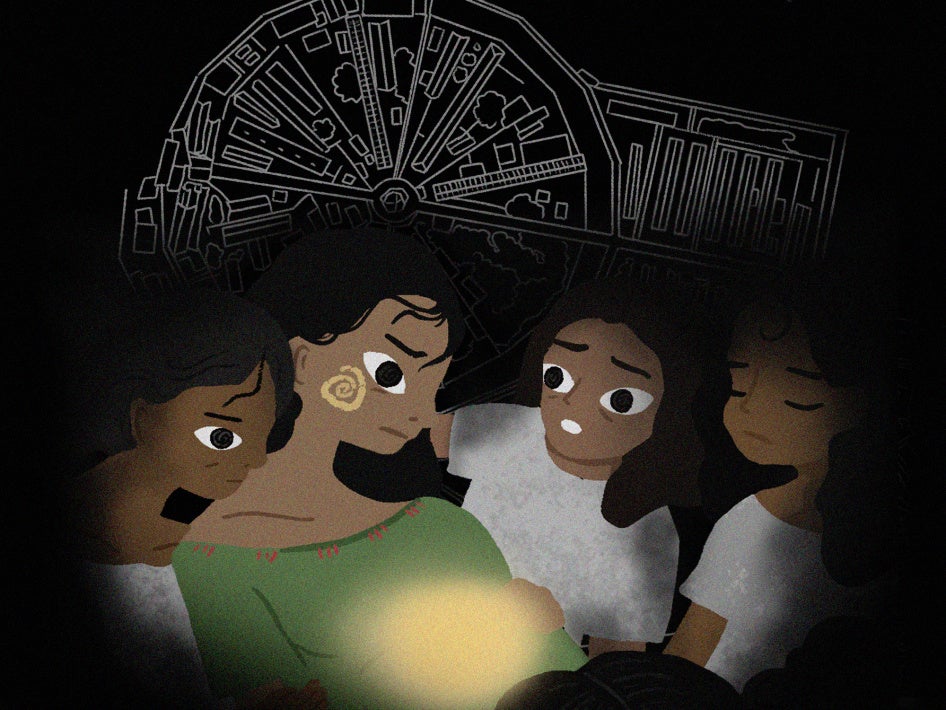
Human Rights Watch said on September 22 that Myanmar’s military junta tortures, sexually abuses, and withholds essential medical care from women political prisoners.
The findings draw on interviews in 2025 and 2026 with 17 former detainees, three relatives, and four lawyers or advocates. The women included activists, journalists, healthcare workers, and aid workers detained after the February 2021 coup.
Former prisoners described beatings, electric shocks, sexual humiliation, solitary confinement, and months-long interrogations in 11 interrogation centers and prisons.
Pregnant detainees reported threats, beatings, and inadequate prenatal and obstetric care; one woman said she was held with nine other pregnant inmates without ultrasound access.
HRW called for the unconditional release of all women political prisoners and their children, including Aung San Suu Kyi, detained for more than five years.
Key facts:
HRW estimates about 6,600 women and 640 children among more than 30,000 political prisoners.
HRW interviewed 17 former women political prisoners, three relatives, and four lawyers or advocates.
Interviewees reported torture across 11 interrogation centers and prisons.
Myanmar Prison Witness documented 290 political-prisoner deaths through September 16, 2026.
That tally included 43 deaths of women political prisoners and their children.
Why it matters: The testimonies portray detention as a continuing system of punishment after arrest, with abuse, sexual humiliation, and medical neglect compounding the original political charges.
Pregnant prisoners and women with serious illnesses face especially acute risks when authorities delay or deny specialized care. The findings also sharpen accountability questions.
Human Rights Watch said it was unaware of investigations into reported custody deaths, while families may receive no bodies or notification.
The immediate indicators to watch are releases, access to independent medical care, and credible investigations into deaths and alleged torture.
Malaysia Advances Rohingya Returns Despite UNHCR Safety Warning
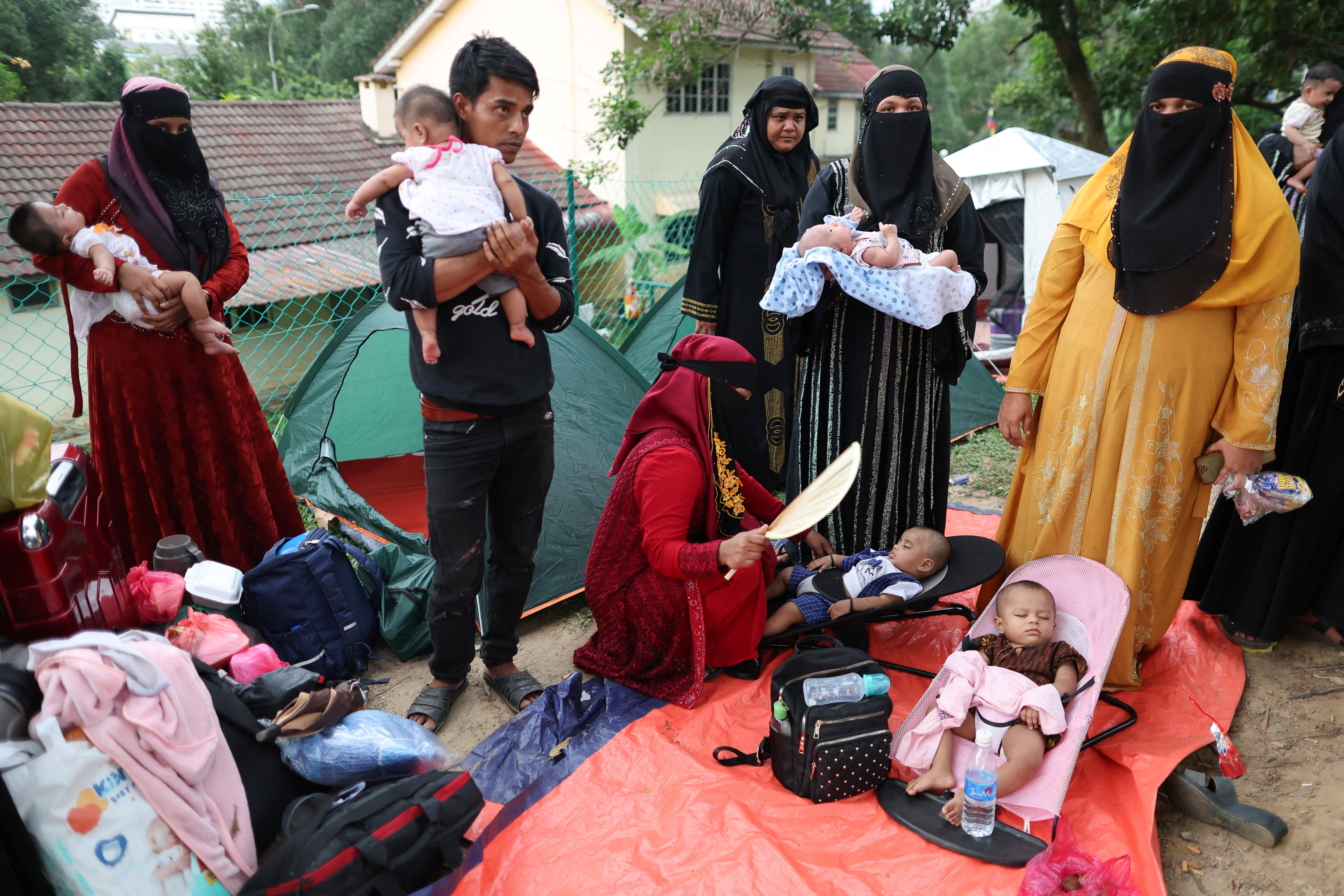
Malaysia is moving toward a Rohingya repatriation arrangement with Myanmar, with Prime Minister Anwar Ibrahim indicating he is prepared to invite military leader Min Aung Hlaing to Kuala Lumpur.
Myanmar has initially agreed to receive 5,000 people in stages, and the first group is expected to return later this month.
Malaysia hosts approximately 193,800 refugees from Myanmar, while UNHCR records 126,144 Rohingya among its registered refugees and asylum seekers in February 2026.
UNHCR was not involved in the planned programme and warned in September that Myanmar remains unsafe for return.
A safe, voluntary and dignified return would require enforceable rights, citizenship, security, freedom of movement and a genuine place for Rohingya in Myanmar’s political and social order.
Key facts:
Anwar Ibrahim indicated he is prepared to invite Min Aung Hlaing to Kuala Lumpur.
Myanmar initially agreed to receive 5,000 Rohingya in stages.
The first group is expected to return later this month.
UNHCR said it was not involved and warned Myanmar remains unsafe for return.
Malaysia hosts approximately 193,800 refugees from Myanmar.
Why it matters: The arrangement could help Malaysia address a protracted refugee burden while giving Myanmar’s authorities a diplomatic role in managing returns.
But it does not resolve the conditions that drove Rohingya displacement, including citizenship, legal recognition, discrimination and political exclusion.
For Rohingya refugees, the central risk is that physical transfer could proceed without enforceable rights or meaningful security.
UNHCR’s non-involvement and warning that Myanmar remains unsafe make independent monitoring, informed consent and the ability to refuse return critical tests of the programme.
Malaysia Faces Pressure to Halt Planned Rohingya Deportations
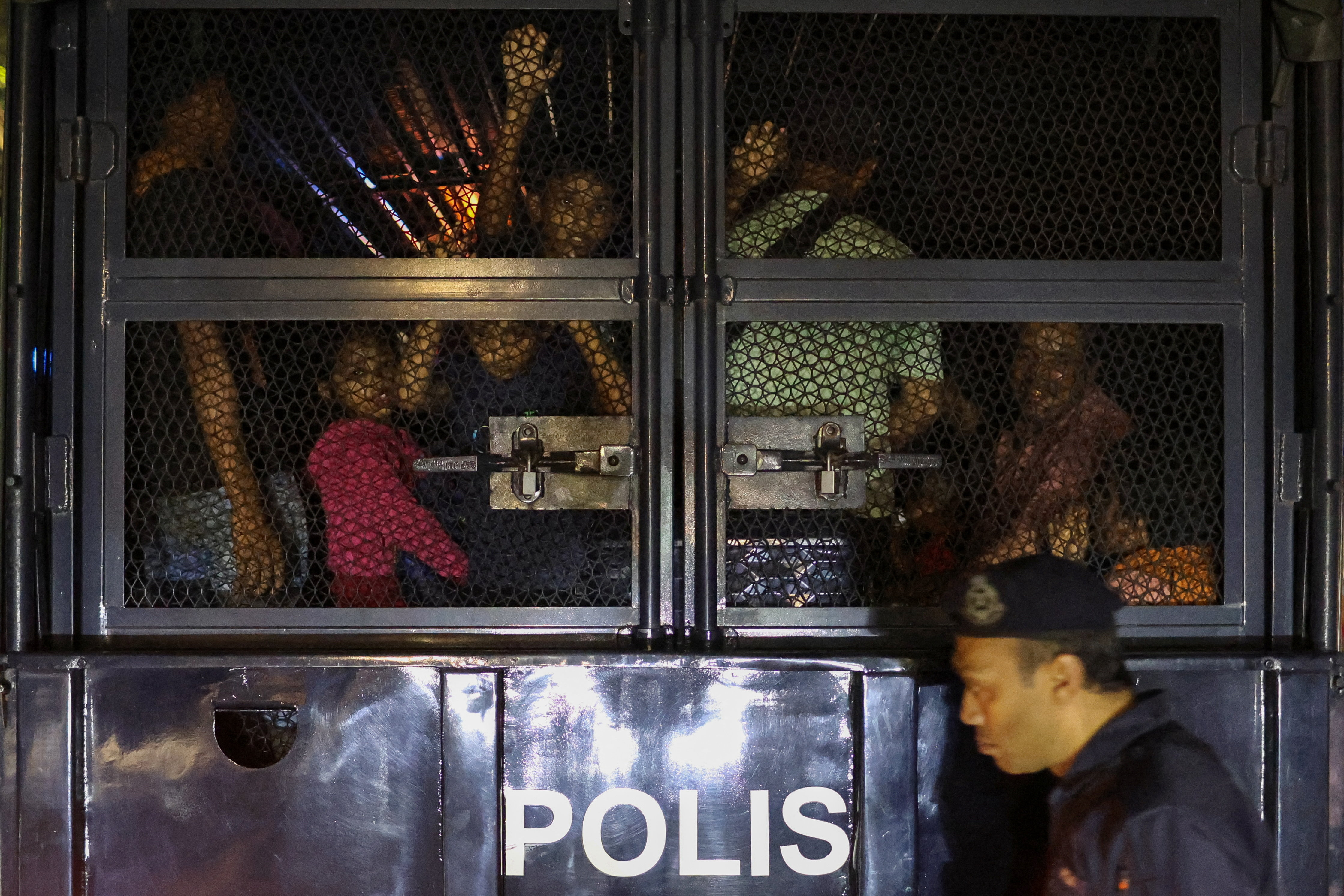
Malaysia’s planned return of Myanmar nationals has triggered a fresh campaign against the policy.
On September 24, The Diplomat reported that 166 civil society organizations had urged Prime Minister Anwar Ibrahim to halt deportations, warning Rohingya refugees could face renewed violence and forced conscription.
The first 1,476 people in a Malaysia-Myanmar agreement covering about 5,000 detainees are scheduled to leave on September 29 aboard two Myanmar Navy ships and a hospital ship.
The groups linked their warning to continuing fighting in Rakhine State and alleged conscription by both the Myanmar military and the Arakan Army, while Anwar has proposed inviting Min Aung Hlaing to Malaysia to accelerate returns.
The episode shows Malaysia balancing its earlier criticism of Myanmar’s military against rising domestic hostility toward Rohingya refugees and official claims that their presence creates financial, social, and security pressures.
Key facts:
166 civil society organizations urged Anwar Ibrahim to stop deportations on September 23.
Malaysia plans to return 1,476 Myanmar nationals on September 29 aboard two Navy ships and a hospital ship.
Malaysia detained 10,388 Myanmar nationals; a deal covers about 5,000 potential returnees.
Civil society groups cited forced conscription by Myanmar’s military and the Arakan Army.
UN-registered Myanmar refugees in Malaysia numbered 193,800 in February, including 126,000 Rohingya.
Why it matters: Malaysia’s move could shift refugee policy from hosting toward return, while giving Naypyidaw a diplomatic opening despite Anwar’s stated refusal to recognize its government.
For Rohingya facing return, the immediate risk is exposure to a conflict zone where civil society groups say both major armed actors have forced conscription; domestic political pressure is pushing policy in the opposite direction.
The next concrete test is the September 29 departure and whether Anwar proceeds with the Min Aung Hlaing invitation. Any returns would also test the groups’ warning that deportation could intensify, rather than reduce, conflict.
Bangladesh Seeks OIC Funding for Rohingya Legal Case and Aid

Bangladesh called on Organisation of Islamic Cooperation members to support The Gambia’s legal fund for its Rohingya case at the International Court of Justice and provide lifesaving humanitarian assistance until displaced Rohingyas can safely return home.
State Minister for Foreign Affairs Humaiun Kobir made the appeal during the OIC foreign ministers’ annual coordination meeting at United Nations headquarters in New York on Thursday.
Kobir said Bangladesh continues to shelter more than 1.2 million forcibly displaced Rohingyas and urged OIC members to work actively toward early repatriation.
The appeal connects legal accountability, emergency relief and return efforts, but the report records a request rather than new funding commitments or a repatriation agreement.
Key facts:
Bangladesh shelters more than 1.2 million forcibly displaced Rohingyas.
Humaiun Kobir addressed OIC foreign ministers at United Nations headquarters in New York.
Bangladesh requested OIC support for The Gambia’s ICJ legal fund.
It also sought lifesaving aid until Rohingyas can safely return home.
Why it matters: Bangladesh is pressing OIC governments to sustain both the legal pathway for accountability and humanitarian support for the Rohingya population.
The approach benefits the ICJ case and displaced people if governments provide funding, while keeping safe repatriation at the center of Bangladesh’s diplomatic message.
The immediate issue to watch is whether OIC members convert the appeal into financial assistance for The Gambia’s proceedings and lifesaving aid.
The report provides no evidence of new commitments, so the diplomatic call has not yet changed conditions for refugees or the legal case.
New research ties Rohingya genocide recognition to geopolitics
New research published September 25 argues that whether the persecution of the Rohingya is formally recognised as genocide depends not only on evidence or legal definitions, but also on states’ diplomatic, economic and geopolitical interests.
It presents recognition as a political process shaped by denial, international alliances and governments’ willingness to sustain pressure.
The study points to The Gambia’s 2019 case against Myanmar at the International Court of Justice, where provisional measures were ordered and preliminary objections dismissed, but a final judgment remains distant.
It also identifies China and Russia’s protection of Myanmar at the UN Security Council and ASEAN’s non-interference policy as barriers.
For Rohingya refugees, the result is continued statelessness and legal and humanitarian uncertainty in Bangladesh and elsewhere.
Key facts:
The Gambia filed an ICJ genocide case against Myanmar in 2019 under the Genocide Convention.
The ICJ ordered provisional measures and dismissed preliminary objections; a final judgment remains distant.
More than 750,000 Rohingya fled to Bangladesh within two months of the 2017 campaign.
The article identifies China and Russia as shielding Myanmar at the UN Security Council.
Rohingya remain stateless in camps in Cox’s Bazar and on Bhasan Char.
Why it matters: The research shifts attention from legal proof alone to the political leverage surrounding recognition. Court proceedings can preserve international scrutiny, but they may not produce compliance from a resistant state or quickly change conditions for refugees.
That leaves sustained diplomacy, coalition-building, legal action and survivor-led advocacy as the main ways to keep Rohingya rights and priorities on the agenda.
The next major marker is whether the ICJ process advances while governments overcome the diplomatic constraints identified in the study.
Delhi Court Allows Seven Myanmar Training Case Accused to Travel After Bail
On September 24, a special National Investigation Agency (NIA) court in Delhi allowed US national Matthew Aaron VanDyke and six Ukrainian nationals to leave India for one month after granting default bail in the Myanmar Training Camp case.
The court released their passports and permitted travel to the United States and Ukraine, respectively, subject to conditions. The seven must return after one month and assist the NIA by video conference when required.
They must provide addresses, phone numbers and email contacts; the agency told the court its investigation remains underway and their immediate presence was unnecessary.
VanDyke was also discharged from Immigration and Foreigners Act offences after those charges were compounded on September 18, according to The Times of India.
The reports establish a significant change in custody and travel status, not a finding on the underlying allegations.
Key facts:
September 24: Delhi’s special NIA court granted default bail to seven foreign nationals.
Matthew Aaron VanDyke and six Ukrainians may travel for one month.
Passports were released; return to India is required after one month.
The NIA said its investigation remains underway and immediate presence was unnecessary.
VanDyke was discharged from Immigration and Foreigners Act offences after compounding.
Why it matters: The ruling shifts the case from detention to conditional freedom and allows all seven accused to leave India temporarily.
It benefits the defendants by restoring travel documents and family access, while the NIA retains investigative access through video hearings and mandatory contact information.
The immediate legal development is procedural, not a judgment on what occurred at the Myanmar-linked training camp. The next points to watch are whether the accused return within the permitted month and how the NIA’s continuing investigation proceeds.