Tarique Rahman to press Rohingya return at UN; ICJ may rule in October; UN seeks $710.5 million
Bangladesh is pairing a renewed diplomatic push for safe Rohingya return with expectations of an International Court of Justice judgment, while the United Nations warns that aid systems are underfunded. South Korea’s contribution offers some relief, but the gap between humanitarian needs, disease risks and available financing remains substantial; Myanmar’s continuing conflict further complicates prospects for return.
Monday, Sep 21, 2026
Tracking: NUG · Rohingya · Myanmar
Geography: Myanmar, Rakhine State, Southeast Myanmar, Bangladesh
AA Captures Two Soldiers as Magway Revolutionaries Consolidate Administration
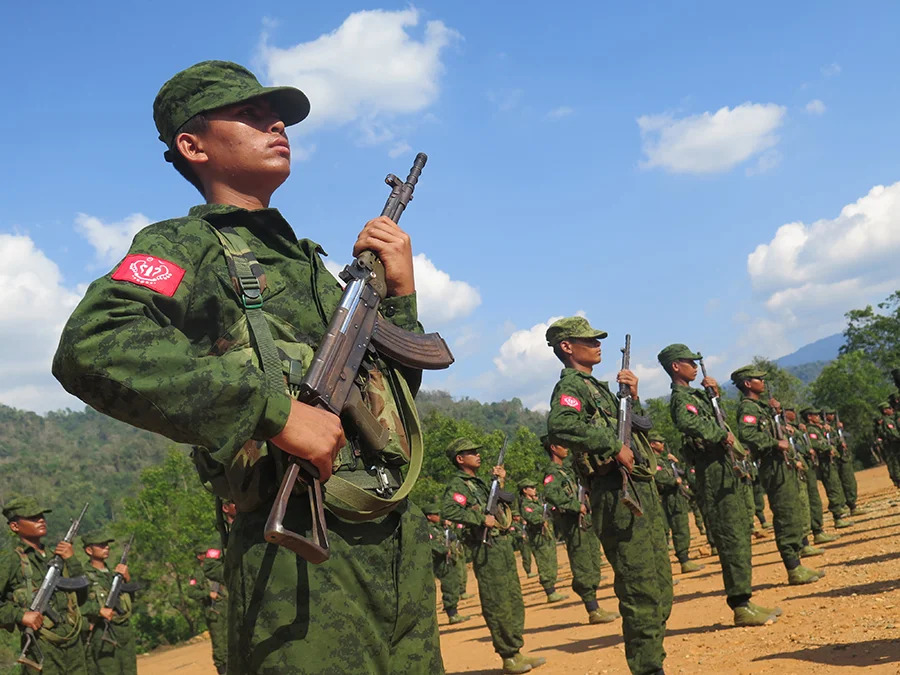
Fighting remained active in Rakhine State on 20 September, when the Arakan Army (AA) said it had captured two Myanmar military personnel during clashes four days earlier near the Sittwe–Ponnagyun area.
The announcement underscores that the military contest around Rakhine continues, even as the conflict’s political and administrative dimensions develop.
In Magway, Prime Minister Dr. Ye Htun Zaw said the Magway Federal Unit Government had agreed with the National Unity Government (NUG) to place People’s Administration, People’s Security and People’s Defence bodies under the unit government’s command.
Elsewhere, a resistance battalion reported damaging one vehicle in a drone attack on a 185-vehicle military convoy, while military airstrikes in two KNU areas injured one resident and damaged six buildings, including a school.
Key facts:
AA announced on September 20 that it captured two military personnel near Sittwe–Ponnagyun.
The clashes occurred on September 16 between Kwan Taung and Myint Kyun.
Magway’s federal government agreed with NUG to command administration, security and defence bodies.
Minbu District Battalion No. 5 reported destroying one vehicle with an FPV drone.
Airstrikes in two KNU areas injured one resident and damaged six buildings.
Why it matters: The developments show resistance governance and battlefield activity advancing in parallel.
If the Magway transfer is implemented, authority over local administration, security and defence bodies would become more centralized within a revolutionary unit government, potentially strengthening coordination with the NUG while reshaping local command relationships.
Violence in Rakhine and KNU areas also keeps civilians exposed to the conflict, with a school among the buildings damaged in the reported airstrikes.
The next indicators are whether fighting and captures continue in Rakhine and whether Magway’s new command arrangement produces further administrative consolidation.
Bangladesh PM to press Rohingya return at first UN General Assembly address

Bangladesh Prime Minister Tarique Rahman is using his first UN General Assembly appearance, scheduled for September 24, to put Rohingya repatriation back at the center of international diplomacy.
At a Bangladesh-hosted side event on September 23, Dhaka will seek stronger cooperation for the earliest possible return of forcibly displaced Rohingyas to Myanmar.
Foreign Secretary Asad Alam Siam said Rahman’s Bangla address will also present Bangladesh’s “renewed democratic journey,” rule of law and accountability, alongside climate and multilateral reform priorities.
Bangladesh says any return must be safe, voluntary, dignified and sustainable; the crisis began with the 2017 displacement of Rohingyas from Myanmar’s Rakhine State, and more than one million refugees remain in Bangladesh while return efforts are stalled.
Key facts:
Rahman is scheduled to address the 81st UNGA in Bangla on September 24.
Bangladesh will host a Rohingya-focused side event on September 23.
Dhaka hosts more than one million Rohingya refugees, with returns stalled.
Foreign Secretary Asad Alam Siam called the crisis an “ongoing problem.”
Rahman is scheduled to meet senior UN refugee and human-rights officials.
Why it matters: The immediate development is diplomatic rather than operational: Bangladesh is elevating the Rohingya crisis at the UN, but the reports provide no indication of a new repatriation agreement or imminent refugee returns.
Dhaka benefits by placing the burden of hosting more than one million refugees back before international decision-makers while seeking additional cooperation and assistance.
The next test is whether Rahman’s UN meetings generate commitments beyond renewed statements of support.
Bangladesh’s preferred outcome—safe, voluntary, dignified and sustainable return to Myanmar—depends on conditions that the reported agenda does not resolve.
ICJ May Deliver Rohingya Genocide Judgment in October
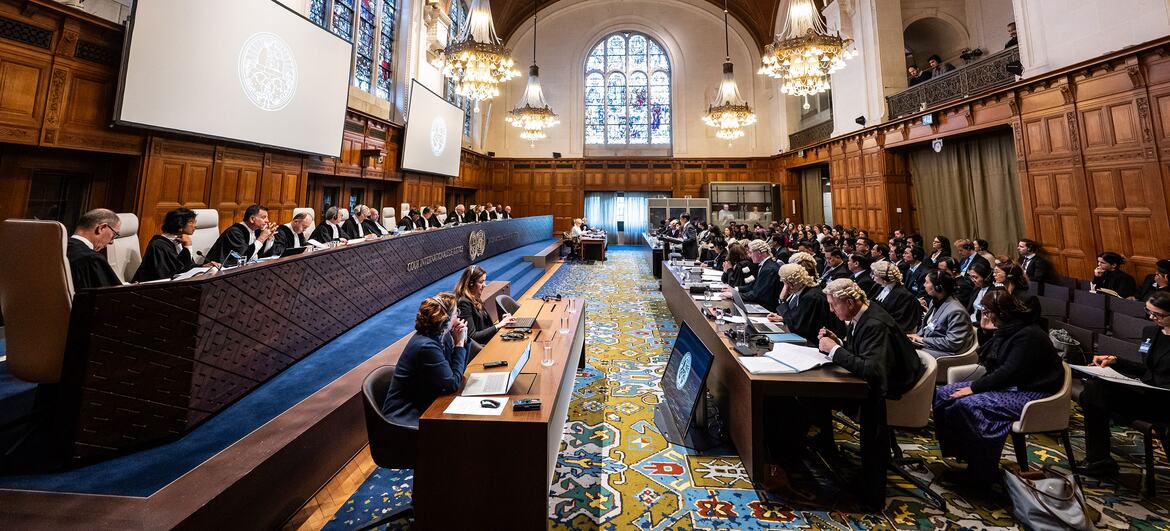
Bangladesh’s Foreign Affairs Ministry says the International Court of Justice (ICJ) may issue its judgment in October 2026 in Gambia’s genocide case against Myanmar.
State Minister Humaiun Kobir gave the update to Bangladesh’s Cabinet after Gambia’s Justice Minister and Attorney General Dawda A. Jallow conveyed it during an August 27 meeting in Jeddah; Cabinet minutes recorded the discussion on August 31.
The case concerns Myanmar’s 2017 military crackdown, which drove around 750,000 Rohingya into Bangladesh.
Gambia alleges killings, sexual violence and village destruction violated the 1948 Genocide Convention; Myanmar’s junta-backed representatives reject the allegations as an internal counterterrorism campaign.
The court heard the merits from January 12 to 29, 2026, after accepting jurisdiction in 2022, and its ruling would determine Myanmar’s legal responsibility under the convention.
Key facts:
Bangladesh says the ICJ may issue its judgment in October 2026.
Gambia filed the case in November 2019; the ICJ rejected Myanmar’s objections in July 2022.
Merits hearings ran from January 12 to 29, 2026.
Around 750,000 Rohingya fled Myanmar’s 2017 military crackdown for Bangladesh.
Why it matters: An October ruling would be the case’s decisive legal stage, determining whether Myanmar bears responsibility under the Genocide Convention.
A finding against Myanmar could strengthen international accountability efforts, while a different outcome would shape how governments and advocates pursue the Rohingya case.
The judgment would not by itself resolve the broader Rohingya crisis, but it could alter diplomatic pressure surrounding Myanmar’s military authorities and the refugees who fled to Bangladesh.
The immediate issue to watch is whether the court confirms the reported October timetable.
South Korea Contributes $5 Million for Rohingya Aid in Bangladesh
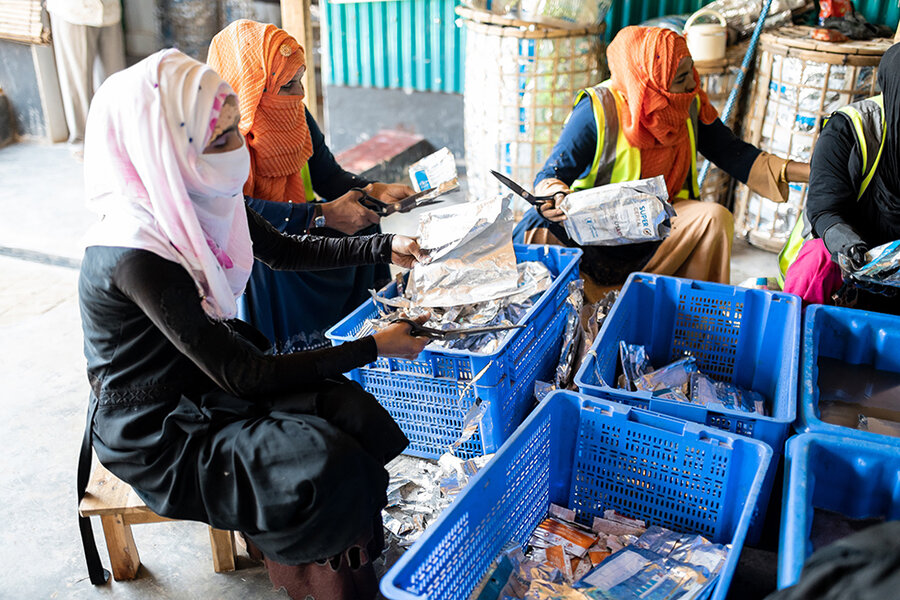
South Korea has contributed US$5 million to the United Nations World Food Programme for Rohingya assistance in Bangladesh.
The contribution, officially announced by Seoul’s foreign ministry in July and reported on September 21, comes as nearly 1.2 million refugees in Cox’s Bazar and Bhasan Char depend on aid amid food insecurity, malnutrition and mounting funding pressure.
WFP says the funds will support more than 462,000 people, including vulnerable families, 36,000 pregnant and breastfeeding women, and 260,000 children.
The package will provide food assistance, nutrition services and fortified meals at learning centres, with families using WFP’s e-voucher system to choose food according to their needs.
It will also fund the second phase of South Korea’s REACH initiative, which supports communities affected by conflict and displacement.
WFP’s Bangladesh director said sustained international support is essential as the Rohingya crisis approaches its tenth year.
Key facts:
South Korea contributed US$5 million to WFP for Rohingya assistance in Bangladesh.
WFP will support more than 462,000 refugees through food and related programmes.
Nutrition services will reach more than 36,000 pregnant and breastfeeding women.
School feeding will serve 260,000 children at learning centres.
Nearly 1.2 million Rohingya in Cox’s Bazar and Bhasan Char depend on aid.
Why it matters: The contribution gives WFP additional resources for immediate food, nutrition and education support, while e-vouchers give families greater choice over their food.
It also targets groups facing heightened nutritional needs, including pregnant women, breastfeeding mothers and children.
The funding demonstrates continued donor backing as humanitarian resources tighten, but it does not remove the broader financing pressure described by WFP.
The next indicator is whether other governments provide similarly sustained support as the crisis approaches its tenth year.
Cox’s Bazar Health Response Faces Funding Strain Amid Dengue and Monsoon Risks
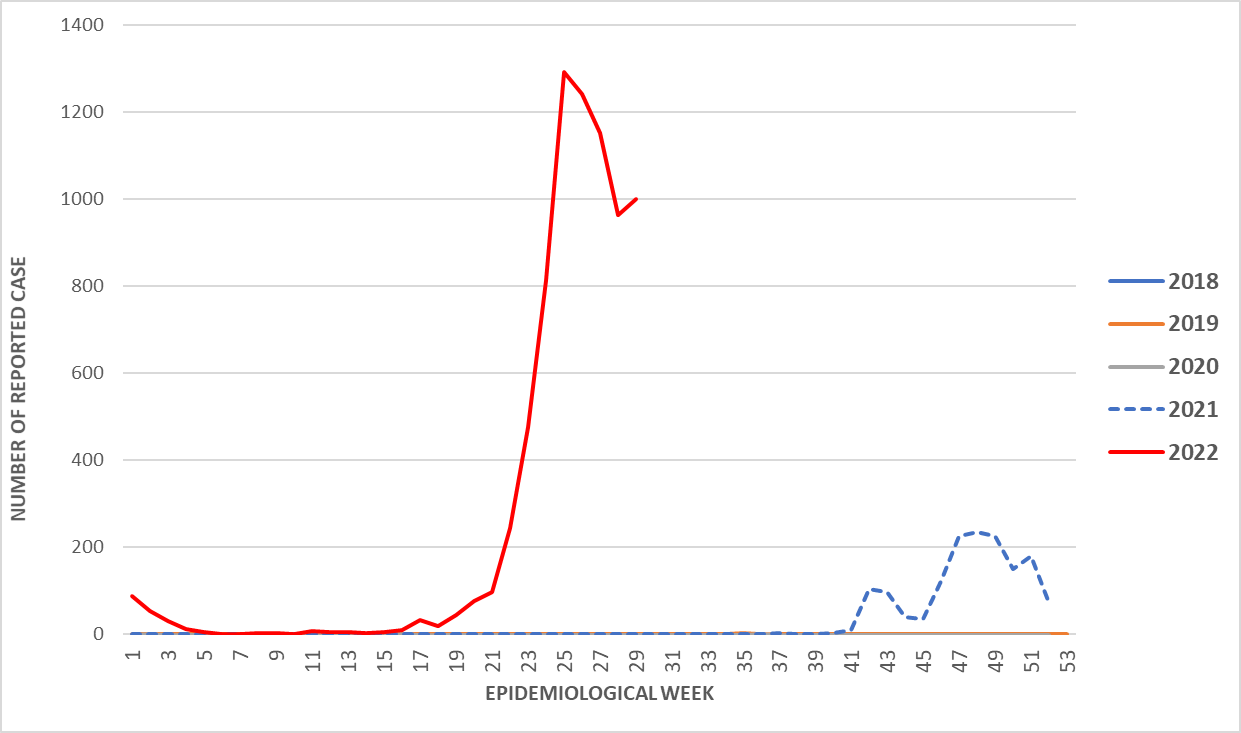
A WHO situation report published on 21 September says health agencies maintained essential services for Rohingya refugees and host communities in Bangladesh’s Cox’s Bazar during August 2026.
The response focused on rising dengue transmission, continued measles-outbreak control, routine and supplementary immunization, and readiness for monsoon emergencies.
WHO, which leads the Health Sector response, coordinated one Cox’s Bazar-level meeting, 33 camp-level meetings and one Strategic Advisory Group meeting.
Those forums covered surveillance, epidemiological trends, community and mental health, immunization, and emergency planning.
The report warns that critical funding gaps are threatening coordination, disease surveillance, preparedness, outbreak response and the continuity of essential care.
The immediate development is therefore a strain on systems supporting Rohingya refugees as seasonal health risks continue.
Key facts:
WHO and partners maintained essential health services across Rohingya camps and host communities in August 2026.
Health priorities included dengue transmission, measles control, immunization, and monsoon emergency readiness.
WHO held one Cox’s Bazar-level, 33 camp-level, and one Strategic Advisory Group meeting.
Funding gaps threaten surveillance, preparedness, outbreak response, and essential service continuity.
Why it matters: The report shows that health services remain operational, but their resilience depends on coordination and funding.
Rohingya refugees and host communities face greater risk if shortages weaken disease detection, immunization, emergency preparedness, or routine care.
The key indicators to watch are funding decisions, dengue trends, measles-control progress, vaccination coverage, and the health sector’s ability to maintain monsoon readiness.
Bangladesh and Canada Reaffirm Support for Rohingya Response and Repatriation
Bangladesh State Minister for Foreign Affairs Humaiun Kobir met Canadian High Commissioner Ajit Singh on September 20, discussing bilateral ties and upcoming high-level engagements around the United Nations General Assembly.
Their agenda extended beyond diplomacy: Kobir acknowledged Canada’s continuing support for the Rohingya humanitarian response, while Singh reiterated Ottawa’s backing for repatriation that is safe, dignified and voluntary.
The meeting placed Rohingya assistance within a broader Bangladesh-Canada relationship that also includes trade, climate financing, agriculture and energy cooperation.
Kobir sought Canadian partnership as Bangladesh prepares to chair the 81st UN General Assembly session, and both sides discussed maintaining international engagement on the crisis.
The account records political support and cooperation priorities, but not a new repatriation agreement, timetable or funding commitment.
Key facts:
State Minister Humaiun Kobir met Canadian High Commissioner Ajit Singh on September 20.
Canada reiterated support for safe, dignified and voluntary Rohingya repatriation.
Talks covered trade beyond garments, including light engineering, machinery and reciprocal delegations.
Bangladesh sought Canadian partnership on climate leadership and financing for its 81st UNGA chairmanship.
Why it matters: For Bangladesh, the exchange links its Rohingya diplomacy to a wider relationship with Canada, potentially helping sustain international attention and cooperation around humanitarian support.
For Canada, reaffirming voluntary and dignified repatriation keeps the principle in bilateral discussions without committing Ottawa to a new timetable or funding package.
The immediate development is diplomatic reaffirmation, not a change on the ground for Rohingya refugees.
The next point to watch is whether the planned high-level engagements or broader cooperation produce specific assistance, financing, or repatriation measures.
UN Seeks $710.5 Million as Rohingya Burden on Bangladesh Grows
Bangladesh is carrying nearly 1.2 million Rohingya refugees into the crisis’s ninth year, with camps in Cox’s Bazar and Bhasan Char under mounting pressure. Around 150,000 more refugees have arrived since early 2024, as conflict in Myanmar intensified.
The influx has deepened demands for food, shelter, healthcare, sanitation, education and protection.
On September 21, a United Nations appeal sought $710.5 million for assistance to refugees and Bangladeshi host communities in 2026, aiming to reach up to 1.56 million people.
The request is 26 percent below 2025’s and represents only the minimum needed to maintain lifesaving services.
UN General Assembly President Dr Khalilur Rahman called the situation a “grave human crisis” and urged dialogue, negotiation and collective international action, while Bangladesh continues to press for safe, voluntary, dignified and sustainable return to Myanmar.
Key facts:
Bangladesh hosts nearly 1.2 million Rohingya refugees, mainly in Cox’s Bazar and Bhasan Char.
Around 150,000 additional refugees arrived since early 2024 as Myanmar’s conflict intensified.
The 2026 UN appeal seeks $710.5 million for up to 1.56 million people.
The appeal is 26 percent below 2025’s, according to the United Nations.
Dr Khalilur Rahman called the crisis a “grave human crisis” at the UN General Assembly.
Why it matters: The lower 2026 appeal leaves humanitarian agencies seeking to preserve essential services with less funding, even as refugee numbers and host-community pressures increase.
Because the United Nations describes the request as the minimum required, any funding gap could narrow support for food, shelter, health, sanitation and education.
Bangladesh’s immediate priority remains sustained international assistance, but its stated end goal is repatriation.
The article links that prospect to conditions in Myanmar: continuing conflict and instability make large-scale return difficult, leaving international diplomacy and safe, voluntary, sustainable conditions as the main issues to watch.