Myanmar’s Crisis Deepens as Accountability Collides With Repatriation Push
Myanmar’s military government is deepening security and economic ties with Vietnam even as the UN and UK warn of worsening abuses, civilian deaths, displacement and attacks on accountability efforts. Meanwhile, Bangladesh and Japan are pressing for eventual Rohingya repatriation and continued aid, but the UN says returns remain unsafe while abuses and insecurity persist in Rakhine State.
Monday, Sep 7, 2026
Tracking: NUG · Rohingya · Myanmar
Geography: Myanmar, Rakhine State, Bangladesh
Vietnam Deepens Defense Ties With Myanmar’s Military Government
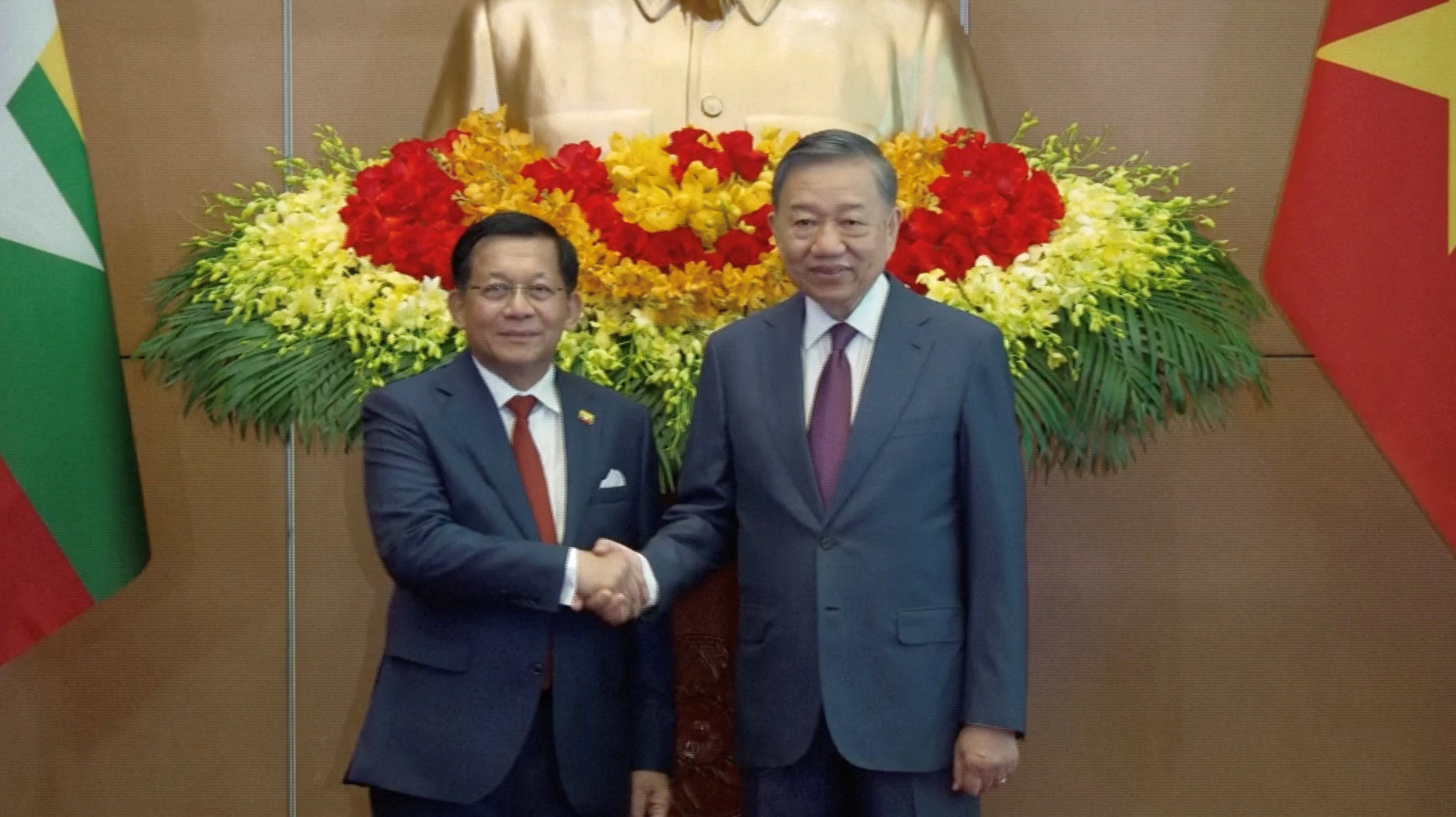
Vietnam and Myanmar agreed on September 5 to make defense and security a central pillar of bilateral ties, during President To Lam’s meeting with Myanmar’s Min Aung Hlaing in Hanoi.
The package includes young-officer training and exchanges, search-and-rescue and disaster-response cooperation, and more information sharing against transnational crime, trafficking, cybercrime and online fraud.
The governments also pledged not to let either territory be used against the other. The meeting paired security cooperation with a broad economic agenda: agriculture, telecommunications, technology, energy, transport infrastructure and investment.
It was Min Aung Hlaing’s first official Vietnam visit since becoming president, according to Nation Thailand.
Vietnam’s embrace stands out because Myanmar’s leaders have been excluded from ASEAN summits since the 2021 military takeover, even as Hanoi says it will work through ASEAN and Mekong mechanisms.
The visit gives Myanmar a high-level regional partner while Vietnam gains a formal channel for influence and commercial engagement.
Key facts:
Min Aung Hlaing made his first official Vietnam visit as Myanmar’s president.
On September 5, To Lam and Min Aung Hlaing agreed to expand defense cooperation.
Plans include young-officer exchanges, search-and-rescue, disaster response, and greater information sharing.
Myanmar’s leaders have been excluded from ASEAN summits since the 2021 coup.
Vietnam offered development expertise; Myanmar sought investment in technology, energy, and infrastructure.
Why it matters: For Min Aung Hlaing, the Hanoi visit provides visible state-level engagement despite Myanmar’s exclusion from ASEAN leaders’ summits.
Vietnam’s decision to elevate defense ties could strengthen the military government’s regional diplomatic position and create new channels for economic cooperation.
For Hanoi, the arrangement combines influence with practical interests in trade, investment and security.
The next test is whether the promised exchanges and coordination produce sustained cooperation through ASEAN and Mekong frameworks, or remain primarily a bilateral gesture toward Myanmar’s military leadership.
UN rights chief urges ICC referral and warns against Rohingya returns
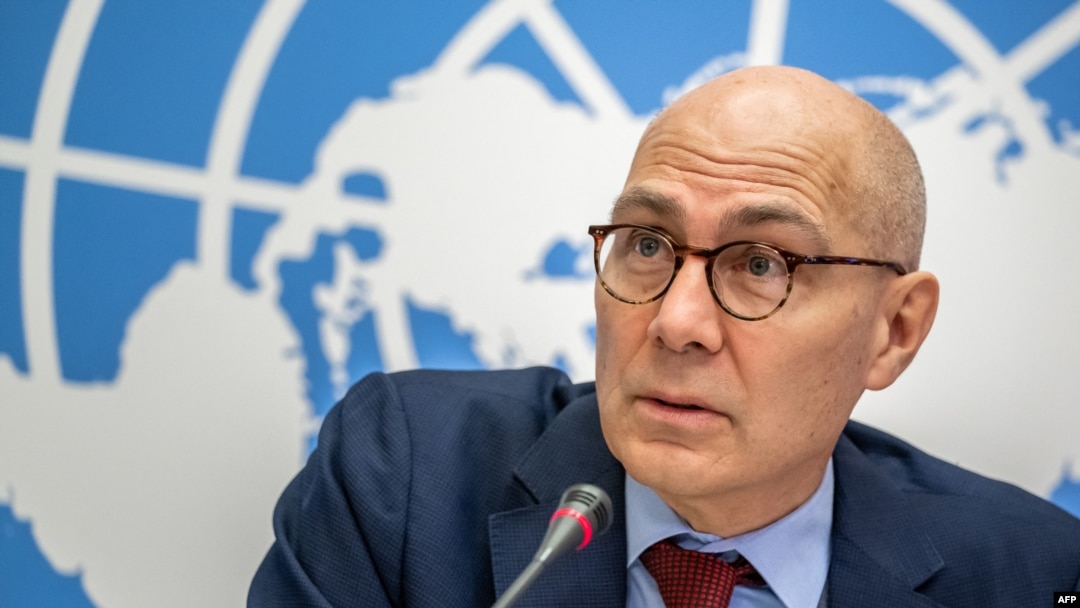
UN High Commissioner for Human Rights Volker Türk urged UN member states on September 7 to refer Myanmar’s situation to the International Criminal Court, saying years of diplomacy had failed to end the crisis or secure accountability.
He also called for states to halt transfers of arms, ammunition, jet fuel and dual-use items where there is a clear risk they could facilitate violations.
Türk said credible sources verified more than 1,200 civilian killings; open sources indicated the total could exceed 3,000; airstrikes remained the leading cause of civilian deaths.
In Rakhine State, he described widespread and systematic abuses against Rohingya by the military and Arakan Army, and said returns of Rohingya and other refugees would breach non-refoulement while insecurity persists there.
Key facts:
Volker Türk urged UN member states to refer Myanmar to the International Criminal Court on September 7.
Credible sources verified more than 1,200 civilian killings; open sources indicated the total could exceed 3,000.
Airstrikes remained the leading cause of civilian deaths during the reporting period.
Türk warned Rohingya returns would breach non-refoulement amid current insecurity.
The UN rights chief said military and Arakan Army abuses against Rohingya were widespread and systematic.
Why it matters: Türk is asking governments to change course on two fronts: pursue legal accountability through an ICC referral and limit supplies that could facilitate violations.
The next test is whether states convert those demands into coordinated action; the appeal itself is not a decision by UN member states. For Rohingya, the warning is consequential for any repatriation discussion.
Türk says insecurity and abuses by both the military and Arakan Army make return impermissible now, so a change in control alone would not meet the protection standard he described.
Bangladesh asks Japan envoy to advance safe Rohingya repatriation
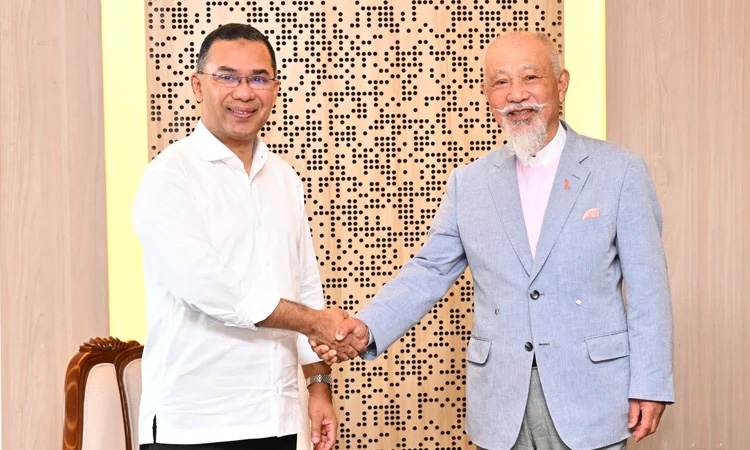
On September 7, Bangladesh Prime Minister Tarique Rahman asked Japan’s Myanmar reconciliation envoy, Yohei Sasakawa, to help secure the safe, voluntary and dignified return of Rohingyas to Myanmar.
The meeting took place in Dhaka as Bangladesh pressed for assistance with their rehabilitation after repatriation.
Sasakawa said he had discussed the crisis with Myanmar’s president and believed the Myanmar government was sincere about resolving it, but warned that complex conditions in Rakhine State would slow progress.
The talks also called for stronger multilateral efforts and international cooperation, rather than relying only on bilateral channels.
Bangladesh highlighted the prolonged pressure of hosting Rohingya refugees, while Japan’s envoy referred to Tokyo’s humanitarian assistance and grants.
The meeting produced no timetable or repatriation agreement, but it opened a diplomatic channel linking Bangladesh’s demands, Japan’s mediation role and Myanmar’s stated willingness to address the crisis.
Key facts:
September 7, 2026: Tarique Rahman met Yohei Sasakawa at Bangladesh Secretariat.
Rahman sought safe, voluntary and dignified Rohingya repatriation and post-return rehabilitation.
Sasakawa said Rakhine’s complex conditions would delay repatriation progress.
Both sides backed stronger multilateral efforts instead of relying only on bilateral channels.
Why it matters: The meeting gives Bangladesh another diplomatic route for pressing the repatriation issue while Japan’s envoy maintains contact with Myanmar’s leadership.
It also reinforces Bangladesh’s argument that the crisis requires international coordination, not just a bilateral arrangement with Myanmar. The immediate result was political support rather than a concrete return mechanism.
For Rohingyas, the emphasis on safety, voluntariness, dignity and post-return assistance sets conditions for any credible process, while the warning about Rakhine suggests implementation is unlikely to move quickly.
Bangladesh Seeks Long-Term Rohingya Aid as Japanese Foundations Promise Continued Support
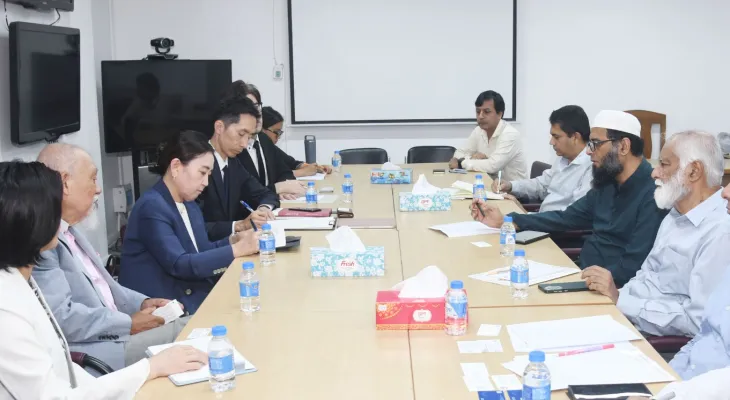
Bangladesh urged stronger, long-term international funding for Rohingya refugees in Cox’s Bazar and Bhasan Char during a September 7 meeting with Japan’s Nippon Foundation and Sasakawa Peace Foundation.
The delegation, led by Nippon Foundation Chairman Yohei Sasakawa, met Disaster Management and Relief official M. Iqbal Hossain to discuss humanitarian programmes and the funding crisis.
The meeting said declining foreign assistance is making it harder to maintain food and nutrition, healthcare, water and sanitation, shelter, protection and other emergency services.
Bangladesh asked the foundations to expand cooperation, while the delegation committed to continuing programmes and explored broader cooperation; participants again identified rapid, safe, voluntary, dignified and sustainable repatriation to Myanmar as the lasting solution.
They also stressed coordination among Bangladesh, donors, international organisations and development partners.
Key facts:
The meeting took place in Dhaka on September 7, 2026.
Yohei Sasakawa led the Nippon Foundation and Sasakawa Peace Foundation delegation.
Declining foreign funding is making it harder to maintain basic Rohingya services.
Bangladesh prioritised rapid, safe, voluntary, dignified, sustainable repatriation to Myanmar.
The delegation pledged continued support and hoped to expand cooperation.
Why it matters: Bangladesh is trying to keep core services operating while aid declines. Continued Japanese foundation support could help sustain programmes in Cox’s Bazar and Bhasan Char, but the meeting acknowledged that longer-term foreign funding is still needed.
Repatriation remains Bangladesh’s preferred end state, while the concrete action discussed was continued humanitarian cooperation. The next test is whether donors turn calls for coordination and long-term financing into sustained assistance.
ICJ urges states to protect Myanmar lawyers amid enforced disappearances
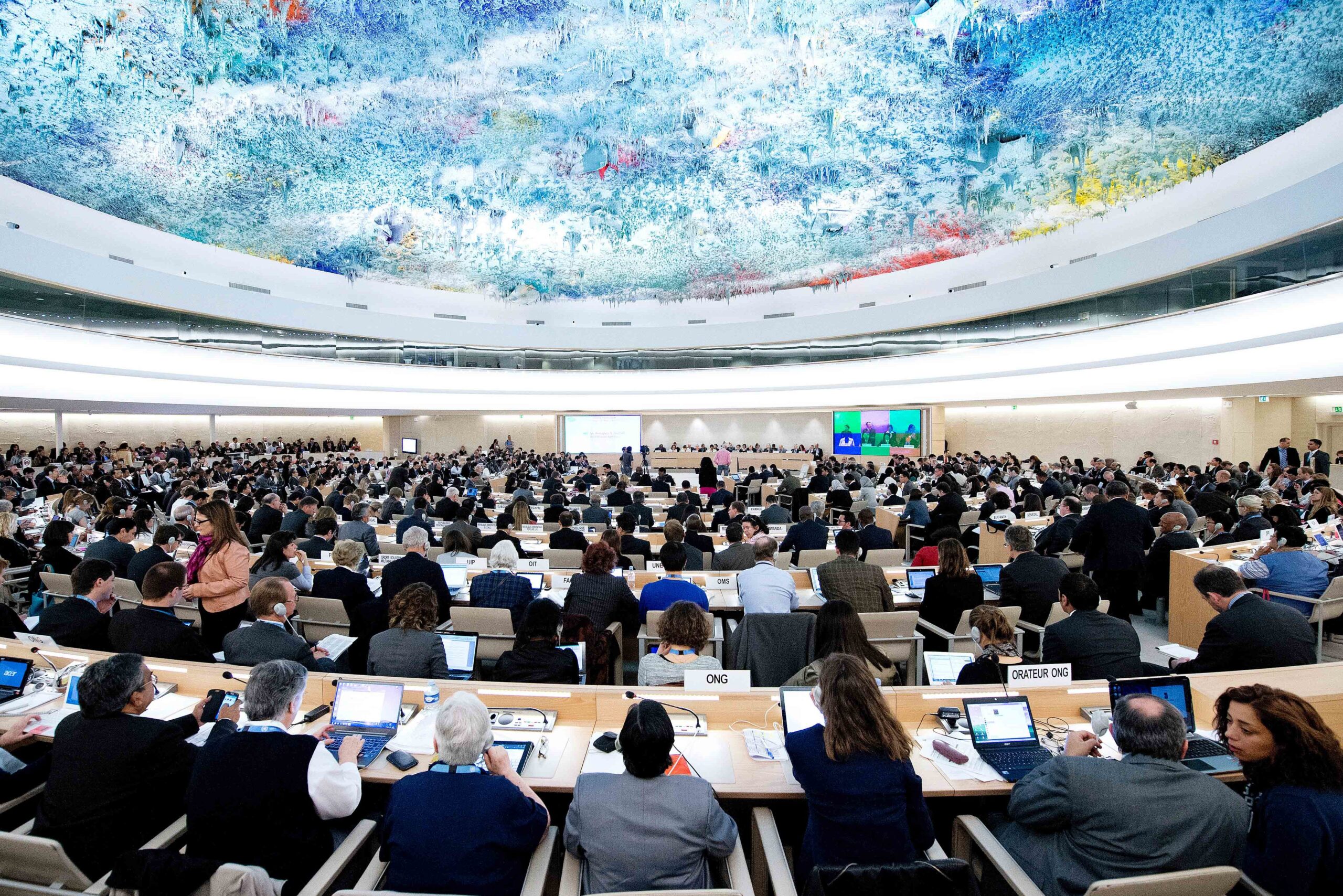
On 7 September 2026, the International Commission of Jurists and IBAHRI used a UN Human Rights Council session to call for protection of lawyers, human rights defenders, victims and survivors in Myanmar.
Their statement linked the appeal to the junta’s continuing use of enforced disappearance, arbitrary detention and incommunicado detention, in which families are often denied information and detainees are denied legal counsel.
The groups said lawyers searching for missing people, contesting detention and preserving evidence face surveillance, intimidation, detention and other reprisals.
They urged UN member states to support the IIMM and other independent accountability mechanisms, while maintaining avenues to justice amid continued unlawful military air attacks on civilians.
Key facts:
ICJ and IBAHRI issued the appeal on 7 September 2026.
The statement highlighted enforced disappearances and incommunicado detention in Myanmar.
Lawyers face surveillance, arbitrary detention, license removal and blacklisting.
The groups urged member states to support the IIMM and other accountability mechanisms.
The statement cited continued unlawful military air attacks against civilians.
Why it matters: The immediate development is political pressure: ICJ and IBAHRI are asking states to treat lawyer protection as part of Myanmar accountability, not a peripheral professional issue.
If lawyers are surveilled, detained or stripped of their licenses, families may lose an important route for locating the disappeared and preserving evidence.
The next test is whether member states provide sustained technical and financial backing to the IIMM and other mechanisms.
Continued air attacks and denial of legal access could make violations harder to document and pursue, while reprisals raise the cost of seeking justice.
UK Calls for Accountability Over Worsening Myanmar Abuses at UN
At the UN Human Rights Council’s 63rd session, the United Kingdom said Myanmar’s human-rights crisis is worsening and called for perpetrators to face accountability.
In a September 6 statement, Human Rights Ambassador Eleanor Sanders said military airstrikes were the leading cause of civilian deaths, while forced conscription, arson and arbitrary detention had driven displacement beyond 3.6 million.
The UK also cited evidence of sexualised torture in military detention facilities, including against children, and violations affecting ethnic and religious minorities.
The statement linked the crisis to forced labour, forced recruitment, and the loss of land and homes.
Britain said it contributed £900,000 to the evidence-gathering Mechanism, supported international efforts to preserve evidence, and intervened jointly at the International Court of Justice while awaiting its judgment.
Key facts:
The UK delivered its Myanmar statement at the UN Human Rights Council’s 63rd session on September 6, 2026.
The UK said displacement had exceeded 3.6 million, driven by conscription, arson and arbitrary detention.
The statement identified airstrikes as the leading cause of civilian deaths.
Britain contributed £900,000 to the Mechanism and awaits the International Court of Justice’s judgment.
Why it matters: The statement combines a stark assessment of civilian harm with a concrete British contribution to documenting alleged crimes.
That gives international accountability efforts additional political and financial backing, while offering no immediate change to conditions on the ground.
For ethnic and religious minorities and displaced communities, the reported scale of abuses points to continuing humanitarian pressure.
With the International Court of Justice’s judgment still pending, accountability remains unresolved; the next consequential development will be whether international evidence-gathering and legal processes produce action against perpetrators.