Texas probes data-center water reporting; Microsoft cancels Essex plan; Memphis weighs construction moratorium
AI data-center expansion is running into power shortages, incomplete resource reporting and growing local resistance. Texas and Memphis are tightening scrutiny while developers pursue alternatives such as fuel cells, offshore gas and new financing structures; the key question is how much announced capacity can secure power and approvals on schedule.
United States
Texas tightens oversight as water-use data remains incomplete
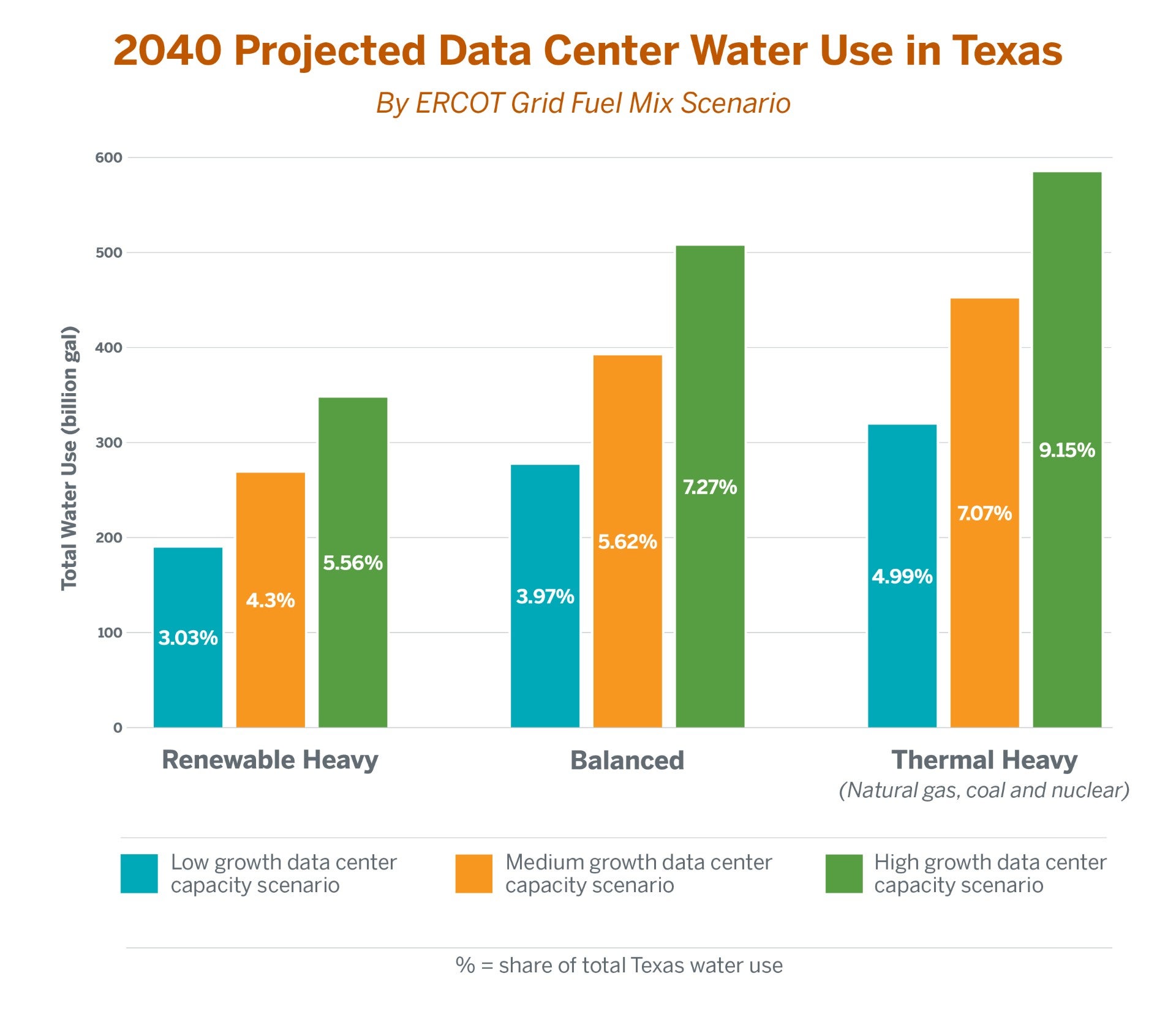
Texas is escalating scrutiny of data centres after only about 30% of the 329 facilities surveyed by the Texas Water Development Board responded in 2025. Companies that did report recorded 1.4 billion gallons of water use.
Gov. Greg Abbott has ordered officials to identify noncompliant facilities, while Attorney General Ken Paxton investigates developments across multiple counties. The state’s maximum fine for missing surveys is $500, and enforcement authority remains split among state and local officials. Abbott’s September 21 order also froze data-centre permit applications, amendments and renewals pending grid and water reviews.
Memphis weighs a one-year construction pause
Memphis leaders are preparing to vote on a proposal that would pause new data-centre construction and expansions for up to one year while a study committee develops local regulations. Existing legally operating facilities, along with smaller hospital and university installations, would be exempt.
The proposal follows protests over SpaceXAI’s Memphis-area facilities, with residents raising concerns about gas-powered turbines, noise, vibrations and alleged air pollution. A related Clean Air Act case involving turbines in Southaven remains active on appeal.

Developers seek alternatives as grid access delays projects
Microsoft canceled a planned 50-megawatt facility in Loughton, Essex, after power-supply delays were expected to extend into the 2030s. In the US, Google is backing Fluidstack’s leases at TeraWulf’s Lake Mariner campus in New York with a roughly $3.2 billion guarantee and warrants representing about 14% of TeraWulf.
Lake Mariner plans phased energization of 360 MW from late 2026 into 2027. Goldman Sachs has separately warned that only about half of planned data-centre capacity may arrive on schedule over the next several years.

Behind-the-meter and alternative power projects advance
5C Data Centers filed a $575 million permit for the fourth phase of its MEM01 conversion in Memphis. The project aims to increase available power from about 20 MW to 84 MW within six months using fuel cells and utility service, with infrastructure designed for NVIDIA GB200 and GB300 systems.
Separately, Kalypso Offshore Energy and Offshore Data Center announced an evaluation of offshore facilities powered by stranded or underused natural gas. The concept would use modular computing, subsea fibre and power cables, but no site, capacity or construction schedule has been committed.

Around the World
South Korean IPO exposes renewed pressure on AI infrastructure valuations
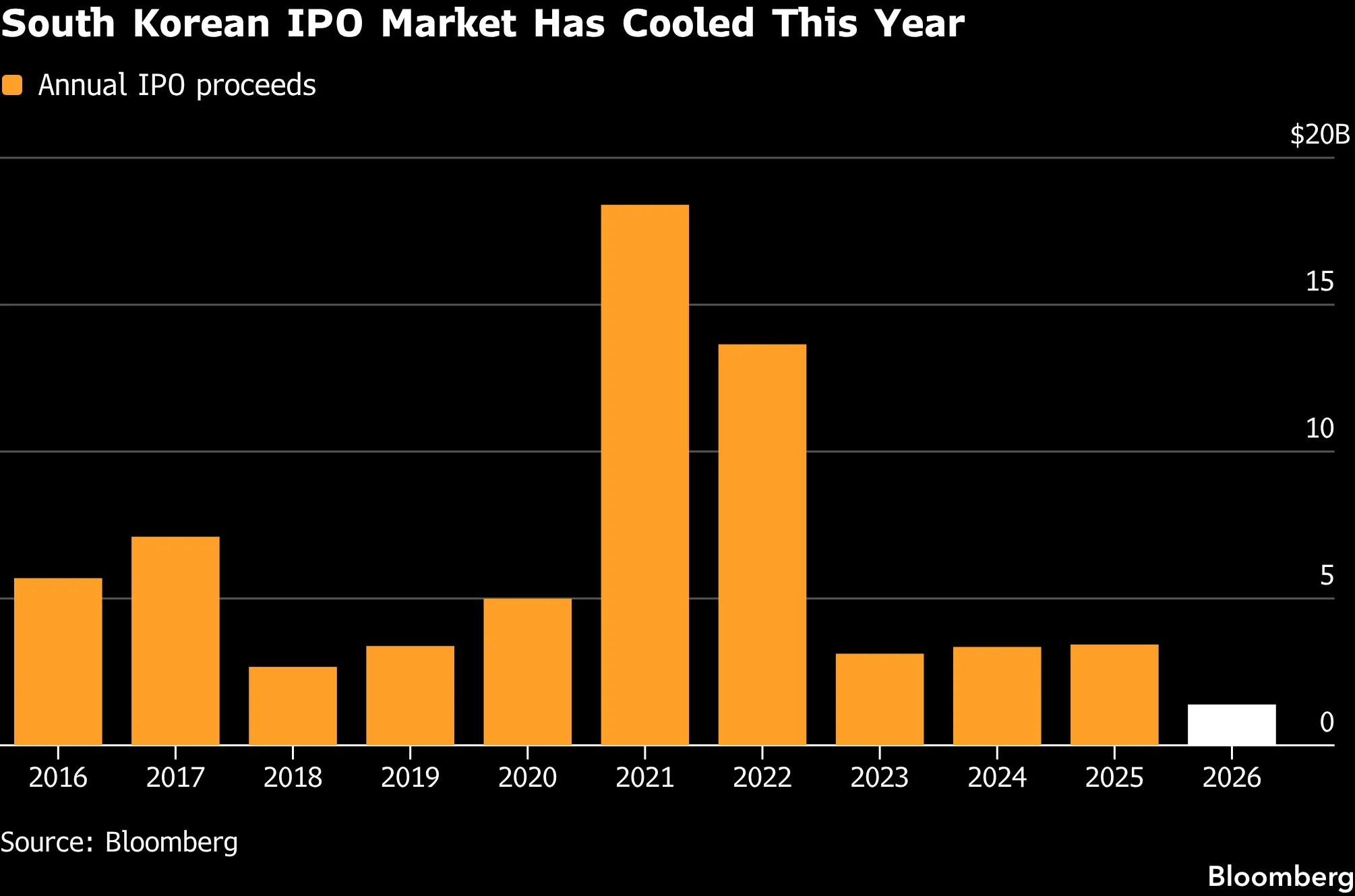
Elice, a data-centre infrastructure company, fell sharply in its October 20 IPO debut in South Korea. Coverage put the decline at between 32% and 33%, making it the country’s biggest IPO of the year but also a high-profile test of investor confidence in AI-linked infrastructure.
The selloff is a market signal rather than proof of an industry-wide slowdown. Future listings and Elice’s share-price performance will show whether investors are demanding stronger evidence of growth, profitability and customer demand.
Data-centre policy is becoming an electoral and permitting issue
In Texas, Gov. Abbott has received about $9 million from data-centre-linked donors since July 2025, according to a Texas Tribune analysis. About $4.9 million came from developers, owners and operators, with the remainder tied to investors, AI companies, suppliers and other industry-connected businesses.
The political scrutiny comes as Texas considers changes to data-centre tax treatment and maintains its pause on certain approvals. Across the US and internationally, the broader pattern is similar: developers are pursuing new capacity while governments and communities assess electricity, water, emissions and local impacts.